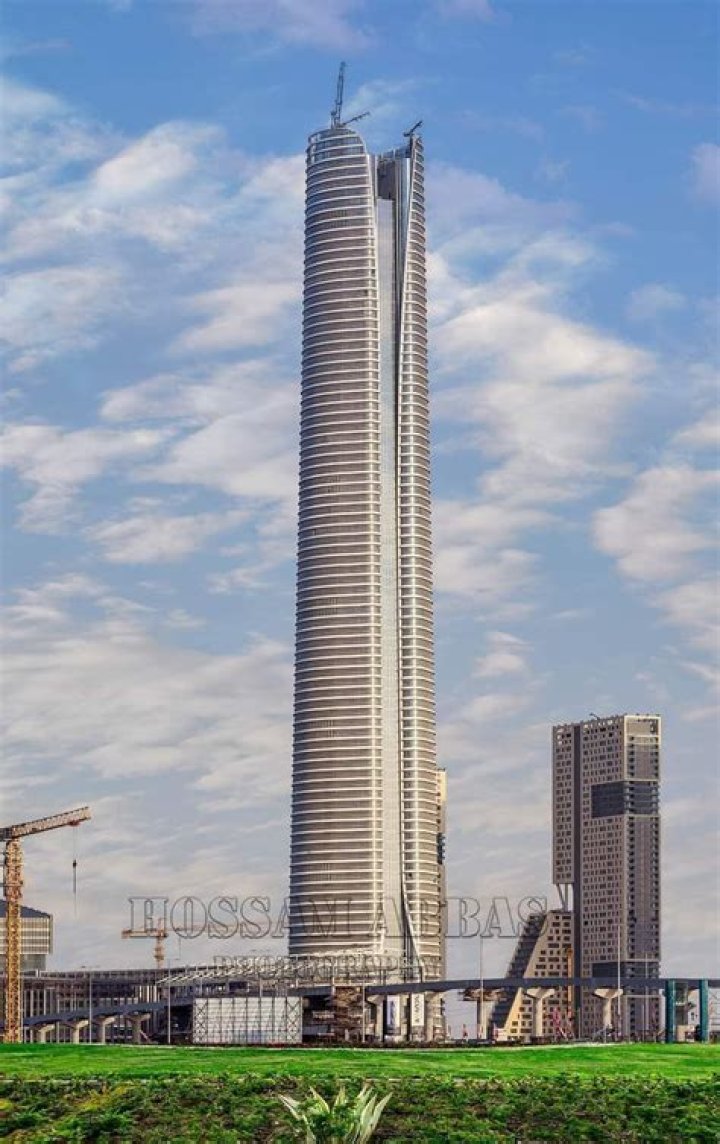
In the realm of aesthetics, "beautiful tran" refers to a state of harmonious balance and pleasing visual appeal. It encompasses qualities such as symmetry, proportion, and coherence, creating a sense of aesthetic satisfaction.
Striving for "beautiful tran" has been a cornerstone of artistic and architectural endeavors throughout history. From the classical proportions of Greek temples to the intricate patterns of Islamic art, the pursuit of "beautiful tran" has influenced diverse cultures and epochs. It not only enhances the visual experience but also fosters a sense of well-being and serenity.
In contemporary design, "beautiful tran" is achieved through careful consideration of elements such as line, shape, color, and texture. By harmoniously combining these elements, designers can create spaces and objects that are both aesthetically pleasing and functional.
beautiful tran
The concept of "beautiful tran" encompasses various dimensions, each contributing to its overall essence. Here are 9 key aspects that explore this concept:
- Harmony: The pleasing arrangement of elements to create a unified whole.
- Balance: The distribution of visual weight to achieve stability and equilibrium.
- Proportion: The relationship between the sizes and scales of different elements.
- Symmetry: The mirror-like arrangement of elements around a central axis.
- Rhythm: The repetition or alternation of elements to create a sense of movement.
- Contrast: The juxtaposition of different elements to create visual interest and emphasis.
- Color: The use of hues, saturation, and values to evoke emotions and create visual impact.
- Texture: The surface quality of elements, adding depth and tactile interest.
- Pattern: The repetition or arrangement of motifs to create visual interest and unity.
These aspects are interconnected and interdependent, working together to create a sense of "beautiful tran." For instance, the harmony achieved through the balanced arrangement of symmetrical elements can be enhanced by the use of contrasting colors and textures. Similarly, the rhythm of repeating patterns can create a sense of movement and energy, adding to the overall visual appeal.
Harmony
Within the realm of "beautiful tran," harmony plays a pivotal role in orchestrating a cohesive and aesthetically pleasing experience. It entails the strategic arrangement of elements to achieve a sense of unity and balance.
- Facet 1: Visual Unity
Harmony fosters a sense of visual unity by seamlessly integrating diverse elements into a coherent whole. Each component complements the others, contributing to an overall composition that is greater than the sum of its parts. - Facet 2: Balanced Composition
Harmony manifests through balanced composition, ensuring that the visual weight of elements is evenly distributed. This balance can be achieved through symmetrical or asymmetrical arrangements, both of which create a sense of stability and order. - Facet 3: Color Harmony
Color harmony is an essential aspect of "beautiful tran." The thoughtful selection and arrangement of colors can evoke emotions, set the mood, and create a visually appealing environment. Complementary, analogous, and monochromatic color schemes are often employed to achieve harmonious results. - Facet 4: Textural Harmony
Harmony extends to the realm of texture, encompassing the tactile qualities of surfaces. By juxtaposing smooth and rough textures, or combining soft and hard materials, designers can create visually interesting and engaging experiences that appeal to the sense of touch.
In essence, harmony in "beautiful tran" orchestrates a symphony of visual elements, weaving them together to create a cohesive and aesthetically pleasing experience that captivates the senses and evokes emotions.
Balance
Within the realm of "beautiful tran," balance plays a pivotal role in establishing visual stability and harmony. It refers to the strategic distribution of visual weight to create a sense of equilibrium and order within a composition.
The importance of balance in "beautiful tran" stems from its ability to evoke a sense of tranquility and stability in the viewer. A balanced composition creates a visual hierarchy, guiding the eye through the artwork and preventing it from being overwhelmed by chaotic or unbalanced elements.
There are several types of balance that can be employed in "beautiful tran":
- Symmetrical balance: This is achieved by mirroring elements on either side of a central axis, creating a formal and ordered appearance.
- Asymmetrical balance: This involves arranging elements in a less predictable manner, creating a more dynamic and visually interesting composition.
- Radial balance: This is achieved by arranging elements around a central point, creating a sense of movement and unity.
Understanding the principles of balance is essential for creating visually appealing and harmonious compositions in various fields, including art, design, and architecture. By carefully distributing visual weight and achieving a sense of equilibrium, designers can create spaces and objects that are both aesthetically pleasing and functional.
Proportion
In the realm of "beautiful tran," proportion plays a crucial role in creating visually harmonious and aesthetically pleasing compositions. It refers to the relationship between the sizes and scales of different elements within a design, ensuring a sense of balance and unity.
- Facet 1: Visual Harmony
Proportion contributes to visual harmony by establishing a cohesive relationship between the elements of a design. By carefully considering the scale and size of each element, designers can create a sense of unity and order, preventing the composition from appearing cluttered or unbalanced. - Facet 2: Aesthetic Balance
Proportion is essential for achieving aesthetic balance in design. By balancing the sizes and scales of different elements, designers can create a composition that is visually appealing and pleasing to the eye. This balance can be achieved through the use of contrasting sizes, repetition of elements, or the creation of a focal point. - Facet 3: Functionality and Usability
Proportion also plays a role in the functionality and usability of a design. By considering the size and scale of elements in relation to their intended use, designers can create spaces and objects that are both aesthetically pleasing and practical. - Facet 4: Cultural and Historical Context
The concept of proportion has been influenced by cultural and historical factors. Different cultures have developed their own aesthetic preferences and principles of proportion, which are reflected in their art, architecture, and design.
In essence, proportion is a fundamental principle of "beautiful tran," guiding the arrangement and scale of elements to create visually harmonious and aesthetically pleasing compositions that transcend cultural and historical boundaries.
Symmetry
Within the realm of "beautiful tran," symmetry plays a significant role in creating compositions that are visually appealing and harmonious. Symmetry refers to the mirror-like arrangement of elements around a central axis, resulting in a sense of balance and order.
The importance of symmetry in "beautiful tran" stems from its ability to evoke a sense of stability and tranquility in the viewer. Symmetrical compositions create a visual hierarchy, guiding the eye through the artwork and preventing it from being overwhelmed by chaotic or unbalanced elements. Additionally, symmetry can create a sense of unity and coherence, as the mirrored elements reinforce each other, enhancing the overall impact of the composition.
In art and design, symmetry has been used throughout history to create visually stunning and memorable works. From the symmetrical architecture of ancient Greek temples to the intricate patterns of Islamic art, symmetry has been a key component in creating a sense of beauty and harmony. In contemporary design, symmetry continues to be employed in a variety of fields, including architecture, interior design, and graphic design, to create visually appealing and balanced spaces and objects.
Understanding the principles of symmetry is essential for creating visually harmonious and aesthetically pleasing compositions. By carefully arranging elements around a central axis and ensuring balance and order, designers can create spaces and objects that are both visually appealing and functional.
Rhythm
In the realm of "beautiful tran," rhythm plays a vital role in creating compositions that are visually engaging and dynamic. Rhythm refers to the repetition or alternation of elements to create a sense of movement and flow within a design.
- Facet 1: Visual Flow
Rhythm can establish a visual flow within a design, guiding the viewer's eye through the composition. By carefully arranging elements in a rhythmic pattern, designers can create a sense of movement and energy, preventing the design from appearing static or dull. - Facet 2: Dynamic Balance
Rhythm can contribute to the dynamic balance of a design. By alternating or repeating elements of varying sizes, shapes, or colors, designers can create a sense of visual tension and release, adding interest and complexity to the composition. - Facet 3: Emotional Impact
Rhythm can evoke emotions and convey messages through its visual movement. Different rhythmic patterns can create different moods and atmospheres, from the lively and energetic to the calming and serene. - Facet 4: Cultural and Historical Context
The use of rhythm in design has been influenced by cultural and historical factors. Different cultures have developed their own unique rhythmic patterns and motifs, which are reflected in their art, architecture, and design.
In essence, rhythm is a powerful tool for creating visually engaging and dynamic compositions in "beautiful tran." By understanding the principles of rhythm and applying them effectively, designers can create spaces and objects that are both aesthetically pleasing and visually stimulating.
Contrast
Within the realm of "beautiful tran," contrast plays a pivotal role in creating visually striking and engaging compositions. Contrast refers to the juxtaposition of different elements, such as color, shape, texture, and size, to create visual interest and emphasis.
The importance of contrast in "beautiful tran" stems from its ability to draw attention to specific elements within a composition and create a sense of visual hierarchy. By placing contrasting elements side by side, designers can create focal points and guide the viewer's eye through the design. Contrast can also be used to create a sense of depth and dimension, making a composition appear more visually dynamic and engaging.
In art and design, contrast has been used throughout history to create visually stunning and memorable works. From the contrasting colors used in Renaissance paintings to the bold geometric shapes found in modern architecture, contrast has been a key component in creating a sense of beauty and harmony. In contemporary design, contrast continues to be employed in a variety of fields, including fashion, interior design, and graphic design, to create visually appealing and impactful spaces and objects.
Understanding the principles of contrast is essential for creating visually harmonious and aesthetically pleasing compositions. By carefully juxtaposing different elements and considering their visual weight and impact, designers can create spaces and objects that are both visually appealing and functional.
Color
Color plays a crucial role in achieving "beautiful tran" by influencing our emotions and perceptions. It encompasses the use of hues, saturation, and values to create visual impact and evoke specific moods and atmospheres.
The choice of colors can significantly affect the overall tone and feeling of a composition. Warm colors, such as red, orange, and yellow, are often associated with energy, passion, and excitement, while cool colors, such as blue, green, and purple, are often associated with calmness, serenity, and tranquility. By carefully selecting and combining colors, designers can create spaces and objects that elicit desired emotions and responses from viewers.
Color also contributes to the visual hierarchy and balance of a composition. Contrasting colors can be used to create focal points and draw attention to specific elements, while analogous colors can be used to create a sense of harmony and unity. Additionally, the saturation and value of colors can be adjusted to create different effects. Saturated colors are more intense and vibrant, while desaturated colors are more muted and subtle. By manipulating these elements, designers can create color schemes that are both visually appealing and effective in conveying a message or creating a desired atmosphere.
Understanding the principles of color theory is essential for creating visually harmonious and aesthetically pleasing compositions in "beautiful tran." By carefully considering the emotional impact, visual weight, and hierarchical role of colors, designers can create spaces and objects that are both visually appealing and functional.
Texture
Texture plays a vital role in achieving "beautiful tran" by adding depth, visual interest, and tactile stimulation to compositions. It encompasses the surface quality of elements, including their roughness, smoothness, grain, and pattern.
- Facet 1: Visual Depth and Dimension
Texture can create a sense of visual depth and dimension within a composition. By combining elements with contrasting textures, designers can create the illusion of layers and surfaces, making the design appear more dynamic and engaging. - Facet 2: Tactile Experience
Texture adds a tactile dimension to design, inviting viewers to not only look at but also touch and feel the composition. Different textures can evoke different emotions and sensations, from the warmth and comfort of a soft fabric to the coolness and sleekness of a polished metal surface. - Facet 3: Visual Interest and Contrast
Texture can be used to create visual interest and contrast within a composition. By juxtaposing smooth and rough textures, or matte and glossy finishes, designers can create a sense of visual tension and excitement. - Facet 4: Cultural and Historical Context
The use of texture in design has been influenced by cultural and historical factors. Different cultures have developed unique textural motifs and techniques, which are reflected in their art, architecture, and fashion.
In essence, texture is a powerful tool for creating visually and tactilely engaging compositions in "beautiful tran." By understanding the principles of texture and applying them effectively, designers can create spaces and objects that are both aesthetically pleasing and inviting to the touch.
Pattern
Within the realm of "beautiful tran," pattern plays a significant role in creating visually engaging and harmonious compositions. Pattern refers to the repetition or arrangement of motifs to create visual interest, unity, and a sense of order.
- Facet 1: Visual Interest and Appeal
Patterns can add visual interest and appeal to a composition by creating a sense of rhythm and movement. The repetition of motifs can draw the viewer's eye through the design, creating a dynamic and engaging experience.
- Facet 2: Unity and Cohesion
Patterns can contribute to the unity and cohesion of a composition by tying together different elements and creating a sense of visual harmony. By repeating motifs throughout the design, designers can create a sense of consistency and order.
- Facet 3: Cultural and Historical Context
The use of patterns has been influenced by cultural and historical factors. Different cultures have developed unique patterns and motifs that reflect their traditions, beliefs, and artistic styles.
- Facet 4: Emotional Impact
Patterns can evoke emotions and convey messages through their visual appearance. Different patterns can create different moods and atmospheres, from the playful and whimsical to the elegant and sophisticated.
In essence, pattern is a versatile tool for creating visually appealing and meaningful compositions in "beautiful tran." By understanding the principles of pattern and applying them effectively, designers can create spaces and objects that are both aesthetically pleasing and emotionally evocative.
FAQs on "Beautiful Tran"
This section addresses frequently asked questions and misconceptions surrounding the concept of "beautiful tran" to provide a comprehensive understanding.
Question 1: What is the significance of "beautiful tran" in art and design?
Answer: "Beautiful tran" is a fundamental principle in art and design, emphasizing the harmonious arrangement of elements to achieve aesthetic balance and visual appeal. It encompasses qualities such as symmetry, proportion, and contrast, creating compositions that are pleasing to the eye and evoke positive emotions.
Question 2: How does "beautiful tran" influence our perception of the world?
Answer: The principles of "beautiful tran" subconsciously guide our perception of the world, shaping our preferences and judgments. We are drawn to environments and objects that exhibit balance, harmony, and proportion, as these qualities align with our innate aesthetic sensibilities.
Question 3: Is "beautiful tran" subjective or objective?
Answer: While personal preferences can influence our perception of beauty, the principles of "beautiful tran" are rooted in objective criteria. Harmony, balance, and proportion are universally recognized as aesthetically pleasing qualities, transcending cultural and individual differences.
Question 4: How can we incorporate "beautiful tran" into our daily lives?
Answer: The principles of "beautiful tran" can be applied to various aspects of our lives to enhance our surroundings and well-being. From arranging furniture to designing living spaces, incorporating elements of symmetry, contrast, and harmony can create more visually appealing and calming environments.
Question 5: How does "beautiful tran" contribute to our overall well-being?
Answer: Studies have shown that exposure to aesthetically pleasing environments, embodying the principles of "beautiful tran," can reduce stress, improve mood, and promote relaxation. Surrounding ourselves with harmonious and balanced spaces can have a positive impact on our cognitive and emotional well-being.
Question 6: How can we cultivate an appreciation for "beautiful tran"?
Answer: Cultivating an appreciation for "beautiful tran" involves actively observing and engaging with art, design, and nature. By paying attention to the harmonious arrangements, balanced compositions, and aesthetically pleasing qualities in our surroundings, we can develop a deeper understanding and appreciation for the beauty that surrounds us.
In essence, "beautiful tran" is a timeless and universal principle that guides our aesthetic sensibilities and contributes to our overall well-being.
Transition to the Next Section: Exploring the Historical Evolution of "Beautiful Tran." This section will delve into the historical development of the concept, tracing its roots in ancient art and architecture to its contemporary expressions.
Tips for Achieving "Beautiful Tran"
Incorporating the principles of "beautiful tran" into your surroundings and life can enhance your aesthetic experience and promote well-being. Here are some practical tips to guide you:
Tip 1: Embrace Symmetry and Balance
Create visual harmony by arranging elements symmetrically or asymmetrically to achieve a sense of balance. This can be applied to room layouts, furniture placement, and even the composition of artwork.
Tip 2: Pay Attention to Proportion
Consider the scale and size relationships between different elements. By maintaining appropriate proportions, you can create a cohesive and visually pleasing composition.
Tip 3: Incorporate Contrast and Rhythm
Introduce visual interest by incorporating contrasting elements, such as light and dark, or smooth and rough textures. Create a sense of rhythm by repeating or alternating elements in a consistent pattern.
Tip 4: Utilize Color Effectively
Choose a harmonious color scheme that evokes the desired atmosphere. Consider the emotional impact of colors and their ability to create visual hierarchy and depth.
Tip 5: Add Texture and Pattern
Incorporate different textures to create visual interest and depth. Use patterns to create unity and visual flow, while considering their cultural and historical significance.
Tip 6: Foster Natural Light
Maximize natural light to create a bright and inviting space. Natural light can highlight textures, colors, and patterns, enhancing the overall aesthetic appeal.
Tip 7: Consider the Context
Take into account the surrounding environment when designing a space or creating an artwork. Consider the architectural style, cultural influences, and personal preferences to achieve a harmonious and cohesive result.
By implementing these tips, you can create environments and experiences that embody the principles of "beautiful tran," fostering a sense of beauty, balance, and well-being in your life.
Conclusion
In conclusion, "beautiful tran" encompasses a timeless and universal set of principles that guide our aesthetic sensibilities and contribute to our overall well-being. By understanding and applying these principles, we can create visually harmonious and emotionally evocative spaces, objects, and experiences.
The pursuit of "beautiful tran" should not be confined to the realm of art and design; it should extend to all aspects of our lives. By incorporating balance, proportion, contrast, and other elements of "beautiful tran" into our surroundings, we can elevate our everyday experiences and cultivate a greater appreciation for the beauty that surrounds us.